Analysis Note #4 - The Sultanate of Oman: A Low-Profile Player with a Key Role

Since the outbreak of the war against Iran on 28 February 2026, triggered by coordinated strikes by Israel and the United States, the conflict has spread across much of the Middle East, with Iranian retaliations and Israeli military operations in Lebanon. We offer a series of analytical notes to shed light on this new escalation, put these developments in context, and understand what they reveal about our times and about contemporary international relations.

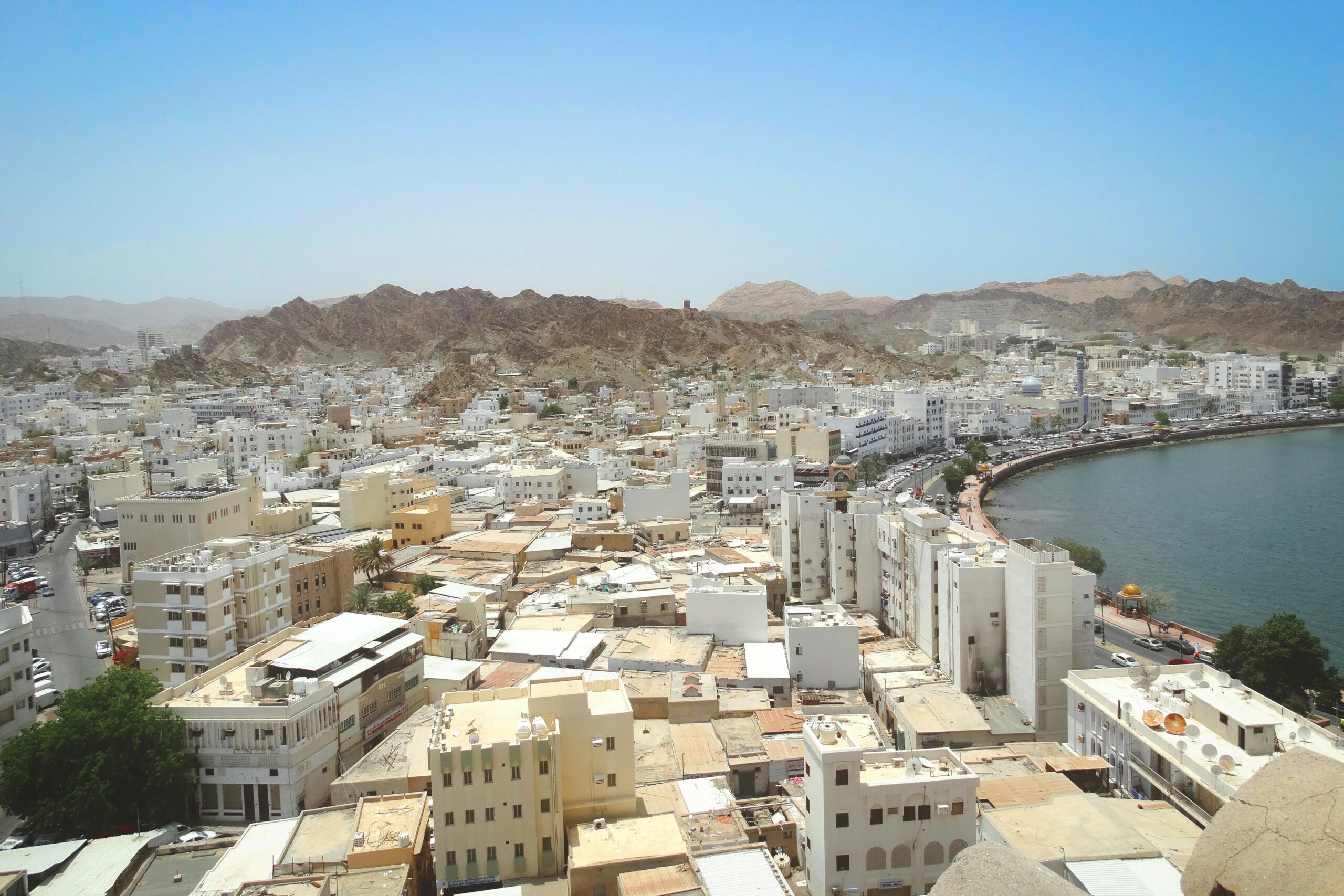
Muscat, the capital of the Sultanate of Oman.

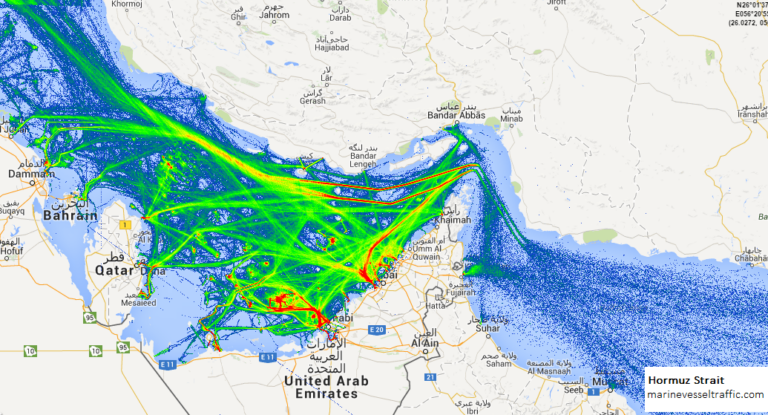
Located at the heart of the major crises in the Middle East, the Sultanate of Oman receives little media attention and consistently prioritizes diplomatic channels in its regional relations. Since the 1970s, against the backdrop of the end of British protectorate rule and tensions stemming from the Cold War, the country has sought to develop ties with most regional actors and work toward resolving the conflicts between them. Refusing to get involved in the region’s ideological and sectarian conflicts, Oman nurtures its relations with its neighbors and capitalizes on its strategic location. Indeed, its position at the exit of the Gulf oil transit corridor at the Strait of Hormuz, which it shares with Iran, gives it real significance for the region’s oil-exporting countries and their client nations. The sultanate shares control of the passage with Tehran, which has repeatedly threatened to close this strategic corridor amid tensions, particularly with the United States.

To better understand Oman’s unique position in the region, one must examine its religious distinctiveness. The dominant religion in the sultanate is Ibadism, a doctrine associated with Kharijism, the third major branch of Islam alongside Sunni and Shia Islam. Ibadism distinguishes itself from other Islamic branches by its rejection of the caliphate model, where rule is passed down within dynasties, in favor of a model of collegial governance, in which community leaders are elected by ulema(1). This distinctive feature is one of the factors that helps explain Oman’s stance in its diplomatic relations, which results in a political culture that is more pragmatic and less ideological than in many other countries in the region.

Seeking compromise and peaceful solutions

I

t was in the 2000s that Muscat officially adopted the concept of “small-state diplomacy” (2). This strategic approach is based on the observation that Oman’s regional environment is shaped by other powers larger than itself, against which it has no interest in appearing belligerent. Thus, Oman has opted for a pragmatic approach and seeks to position itself as a regional diplomatic platform.

There are numerous examples: secret exchanges between Washington and Tehran in 2013, a contribution to the establishment of the 2015 Vienna Agreement on the thorny issue of Iran’s nuclear program, mediation between Yemen’s Houthis and the Saudi-led coalition in 2015, and, more recently, the release of French hostages Cécile Kohler and Jacques Paris, who had been held in Iran for over three years. Thus, the pursuit of compromise and peaceful solutions lies at the heart of Oman’s political and diplomatic identity.

Special ties with Iran

Oman’s involvement in mediating between Iran and the United States, as we have seen, predates the 2026 conflict. Muscat typically positions itself as a diplomatic platform between Tehran and its adversaries for two reasons: their strategic interest in the Strait of Hormuz and their shared history, which has fostered a relationship of trust between the two. This relationship dates back in particular to the Marxist-Leninist rebellion in Dhofar (1964–1976), a region in the south of the country, during which the Shah of Iran sent reinforcements beginning in 1973(3). Omani-Iranian troops eventually managed to halt the rebels’ advance. Since then, Muscat has remained indebted to Tehran, with which it has continued to maintain close ties, even after the 1979 Islamic Revolution.

In 1987, Oman notably refused to participate in the diplomatic and economic isolation of Iran amid a dispute with the United Arab Emirates over the status of three islands occupied by Iran since 1971(4). Over the past decade, the two neighbors have regularly conducted joint military exercises in the Strait of Hormuz. They have also signed numerous cooperation agreements in the economic and energy sectors(5).

In 2025, Oman once again took on the role of mediator between Tehran and Washington by overseeing the rounds of negotiations on the Iranian nuclear issue. In March 2026, Muscat strongly criticized the Israeli-American strikes on Iran, expressing regret that the negotiations had been compromised.

Although Oman had repeatedly served as a mediator between the two belligerents, it was Pakistan that assumed this responsibility on the eve of the resumption of hostilities on February 28, 2026. A strategic partner of the United States since the Cold War, maintaining close ties with Iran and heavily dependent on energy routes from the Gulf, Islamabad emerged as a legitimate mediator.

Maritime traffic in the Strait of Hormuz during its closure.

Impact of the 2026 conflict

D

espite these good relations, the 2026 conflict nevertheless managed to drive a wedge between the two neighbors. Indeed, Iran did not spare Oman in its regional campaign of strikes and repeatedly targeted the ports of Duqm and Salalah, the industrial zone of Sohar, as well as foreign vessels in Omani territorial waters.

These repeated drone attacks, which the Iranian military refuses to claim responsibility for, are explained by the fact that these ports are used by the U.S. military under the 2019 agreement aimed at “allowing U.S. forces to utilize the infrastructure available at certain ports and airports in the Sultanate during visits by U.S. military ships and aircraft(6). The strikes against the Sohar industrial zone, meanwhile, are part of Iran’s strategy to disrupt the regional and global economy.

In accordance with its doctrine of conflict avoidance, Oman condemned these strikes and strengthened its air defense system, but did not retaliate.

At the time of writing, Tehran and Muscat are discussing a protocol to secure the Strait with a view to ending the conflict(7).

BIBLIOGRAPHIE

1. BAPTISTE Enki, “Ibadism,” Orient XXI, August 29, 2020. https://orientxxi.info/ibadisme,4096

2. Jean-Paul Burdy, “Oman: ‘The Diplomacy of a Small State’: Four Decades of Sultan Qaboos’s Foreign Policy,” Question d’Orient, Questions d’Occident, June 1, 2015. https://questionsorientoccident.blog/2015/06/01/oman-une-diplomatie-de-petit-etat-quatre-decennies-de-politique-etrangere-du-sultan-qabous/

3. ROMEO, Lisa, “The Dhofar War (1964–1976),” Les clés du Moyen-Orient, April 9, 2011. https://www.lesclesdumoyenorient.com/Guerre-du-Dhofar-1964-1976.html

4. Jean SALMON, “The Sovereignty Dispute Over Abu Musa and the Petite and Grande Tomb,” Le Monde diplomatique, November 1980. https://www.monde-diplomatique.fr/1980/11/SALMON/35836

5. GUEMRICHE Jahiz, “Omani Diplomacy and Iran,” Araprism, November 23, 2019. https://araprism.org/2019/11/23/la-diplomatie-omanaise-et-liran/

6. “Oman grants the U.S. military access to certain ports and airports,” AFP and L’Orient-Le Jour, March 24, 2019. https://www.lorientlejour.com/article/1163213/oman-accorde-a-larmee-americaine-un-acces-a-certains-ports-et-aeroports.html

7. “Strait of Hormuz: Iran Prepares a ‘Protocol’ with Oman to Ensure Safe Navigation After the War,” AFP and Capital, April 3, 2026. https://www.capital.fr/entreprises-marches/detroit-dormuz-liran-prepare-un-protocole-avec-oman-pour-securiser-la-navigation-apres-la-guerre-1525275


LEGEM

Contact : legem.labo@gmail.com

Français  |  English

Auteur/autrice

Scroll to Top