
A Farewell to Arms or Yet Another Disillusionment? Contextualising the Kurdish Peace Process in Turkey
FRANÇAIS A Farewell to Arms or Yet Another Disillusionment? Contextualising the Kurdish Peace Process in Turkey Alican TAYLA 12 mai […]
FRANÇAIS A Farewell to Arms or Yet Another Disillusionment? Contextualising the Kurdish Peace Process in Turkey Alican TAYLA 12 mai […]

Why is Iran’s nuclear program perceived as an imminent threat? A critical analysis of sanctions, IAEA reports, and power politics.
Two days after the start of the Israeli–American strikes, at a press briefing, US Secretary of State Marco Rubio justified his country’s intervention in Iran in the following terms: We knew that there was going to be an Israeli action, we knew that that would precipitate an attack against American forces, and we knew that if we didn’t preemptively go after them before they launched those attacks, we would suffer higher casualties…¹”. In doing so, he identified an “imminent threat” and invoked “preventive war” as the basis for his administration’s intervention.
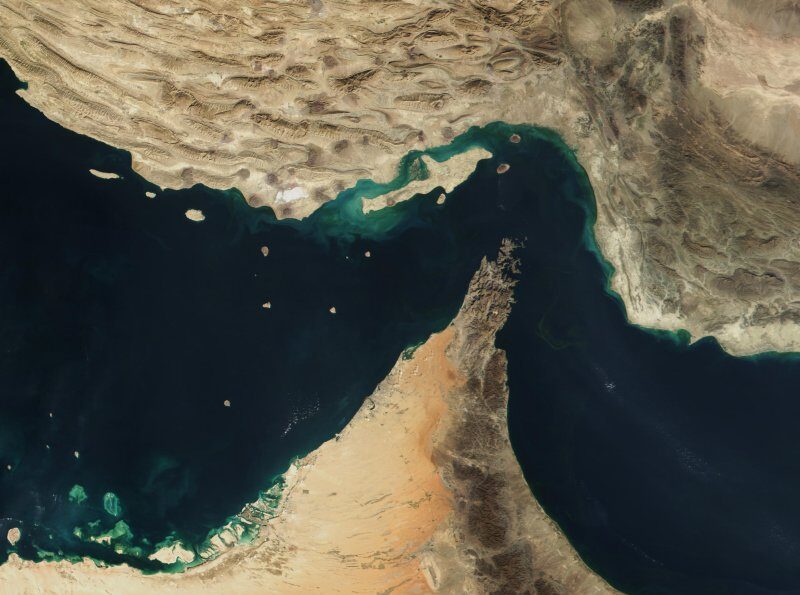
Between 20 and 30 percent of the world’s crude oil transported by sea passes through this strait, as does one-fifth of global trade in liquefied natural gas (LNG). In addition to Iran, all the coastal nations—including Saudi Arabia, the United Arab Emirates, and Qatar—are heavily dependent on it for their energy exports, as well as for their imports, particularly food.