
Analysis of the Berlin regional elections: Fundamental rights and class ties
Analysis of the regional elections in Berlin: Die Linke’s victory, the dynamics of the post-migration city, and Elif Eralp’s political dilemmas regarding coalitions.
Analysis of the regional elections in Berlin: Die Linke’s victory, the dynamics of the post-migration city, and Elif Eralp’s political dilemmas regarding coalitions.
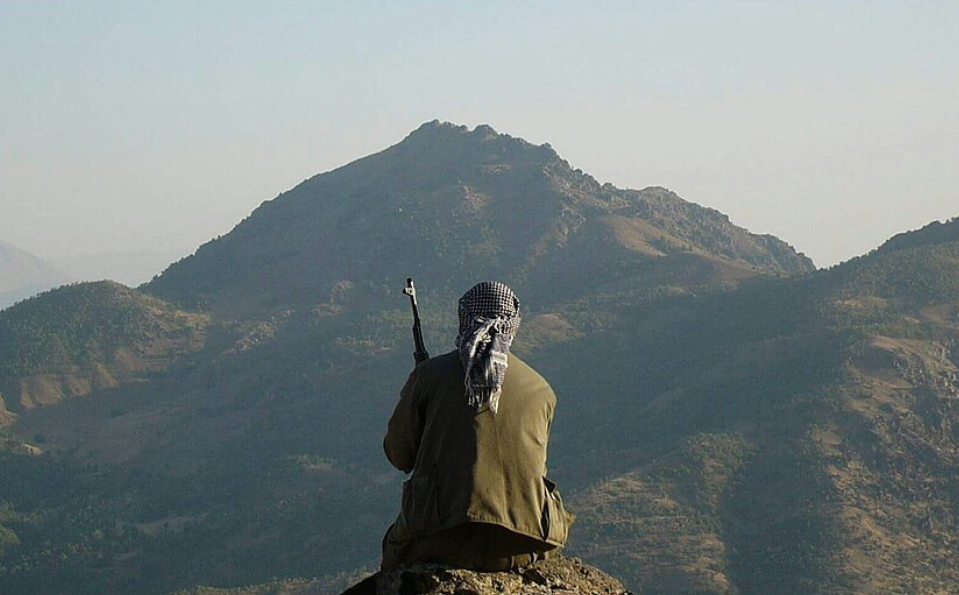
FRANÇAIS A Farewell to Arms or Yet Another Disillusionment? Contextualising the Kurdish Peace Process in Turkey Alican TAYLA 12 mai

On Tuesday 29 September 2026, LEGEM organised its very first public workshop on the theme: ‘The media and racism’. 23 participants exchanged views and debated issues relating to neutrality in journalism, media independence, and new forms of racist bias and discrimination in the print media and the broadcast sector.
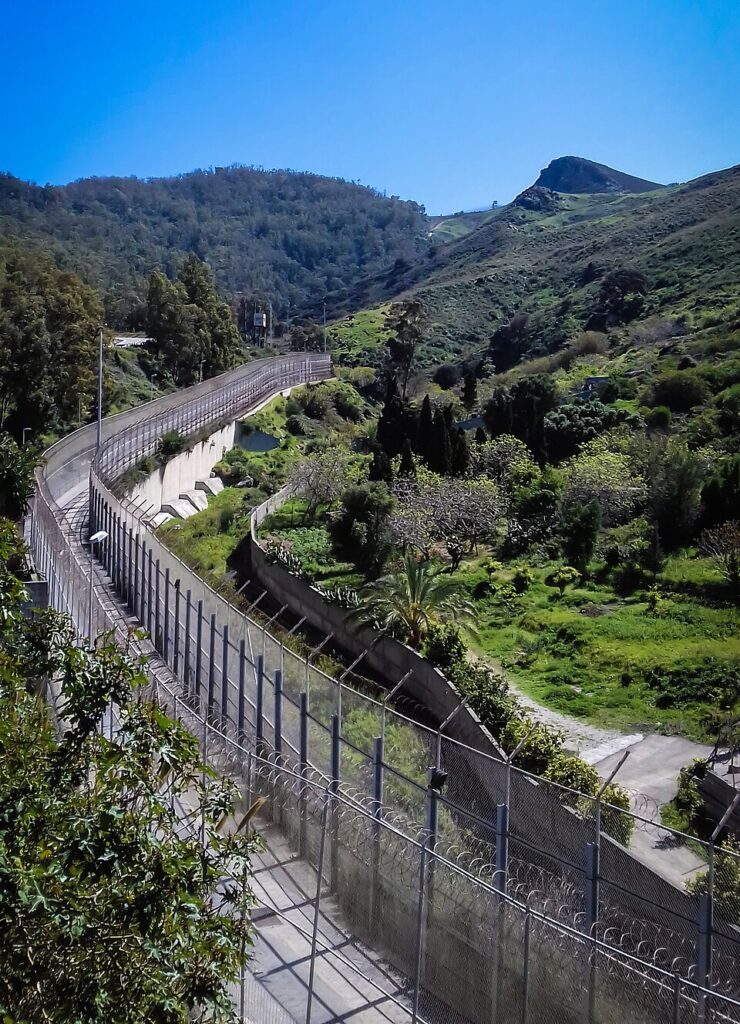
On July 30, 72,000 people swam to the Spanish enclave of Ceuta in northern Morocco. How can this mass migration be explained, and what happens to foreign nationals once they cross the border? We take a closer look at the issues highlighted by this event and the treatment of asylum seekers in this territory with special status.

On September 29, 2026, LEGEM will host a participatory workshop on the theme “Media & Racism,” co-organized with the ACORT association. This event is part of the 31st edition of the Intercultural Encounters of the 10th arrondissement.

Dans le cadre d’une tournée européenne de solidarité internationale pour participer à la pré-session de l’Examen périodique universel du Honduras, les représentantes de l’ONG Somos CDC et de l’association Arcoíris pour la défense des droits humains des populations LGBT+ honduriennes se sont rendues en France. Leur séjour en France en septembre dernier a été l’opportunité de les interviewer sur le contexte hondurien de la communauté LGBTQIA+, les droits citoyens et les incertitudes politiques quelques mois avant l’élection présidentielle de novembre 2025.
Why is Iran’s nuclear program perceived as an imminent threat? A critical analysis of sanctions, IAEA reports, and power politics.
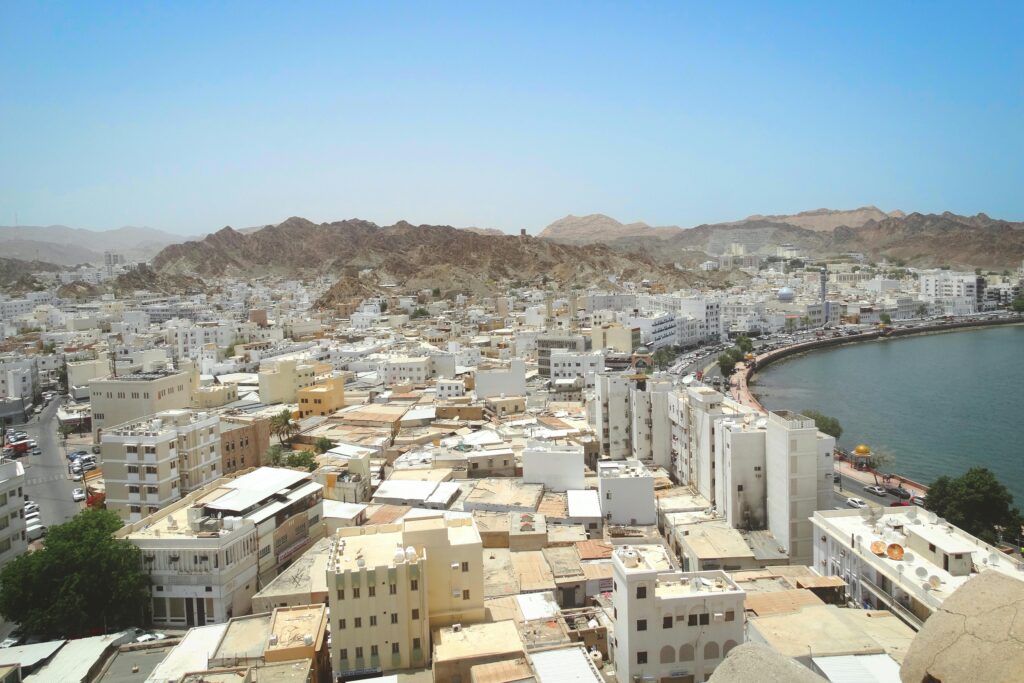
Located at the heart of the major crises in the Middle East, the Sultanate of Oman receives little media attention and consistently prioritizes diplomatic channels in its regional relations. Since the 1970s, against the backdrop of the end of British protectorate rule and tensions stemming from the Cold War, the country has sought to develop ties with most regional actors and work toward resolving the conflicts between them. Refusing to get involved in the region’s ideological and sectarian conflicts, Oman nurtures its relations with its neighbors and capitalizes on its strategic location. Indeed, its position at the exit of the Gulf oil transit corridor at the Strait of Hormuz, which it shares with Iran, gives it real significance for the region’s oil-exporting countries and their client nations. The sultanate shares control of the passage with Tehran, which has repeatedly threatened to close this strategic corridor amid tensions, particularly with the United States.
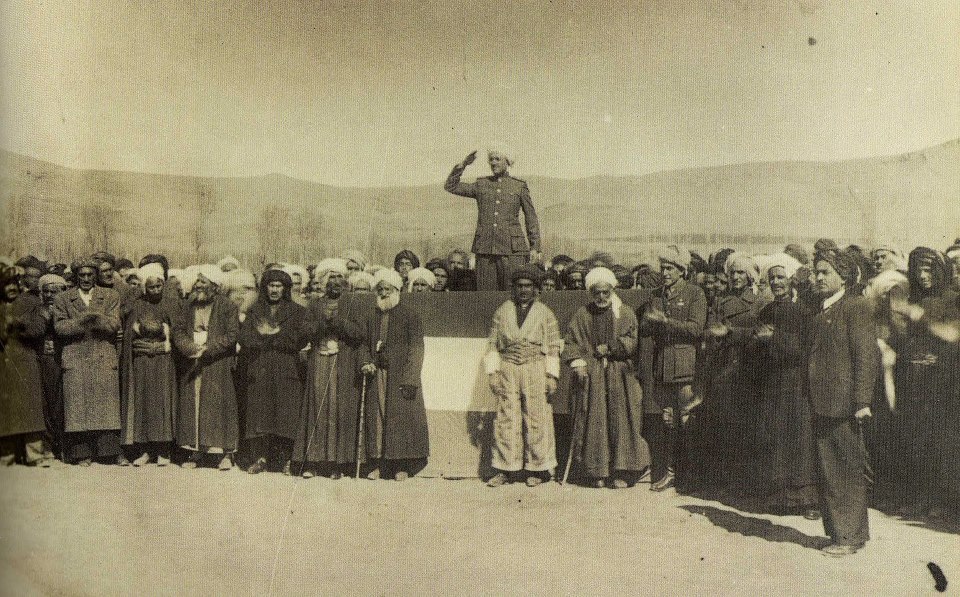
While Washington has repeatedly shown itself to be very reluctant to send ground troops to the conflict and the prospect of a popular uprising against the Iranian regime seems to be fading, a third option has reportedly been considered by the U.S. administration, as reported by numerous American media outlets: support for the Kurds of Iran.¹
Two days after the start of the Israeli–American strikes, at a press briefing, US Secretary of State Marco Rubio justified his country’s intervention in Iran in the following terms: We knew that there was going to be an Israeli action, we knew that that would precipitate an attack against American forces, and we knew that if we didn’t preemptively go after them before they launched those attacks, we would suffer higher casualties…¹”. In doing so, he identified an “imminent threat” and invoked “preventive war” as the basis for his administration’s intervention.