Amérique centrale & Caraïbes, Droits des femmes & LGBTIQ+, Droits humains, Honduras, Interview, Mouvements sociaux, Répression

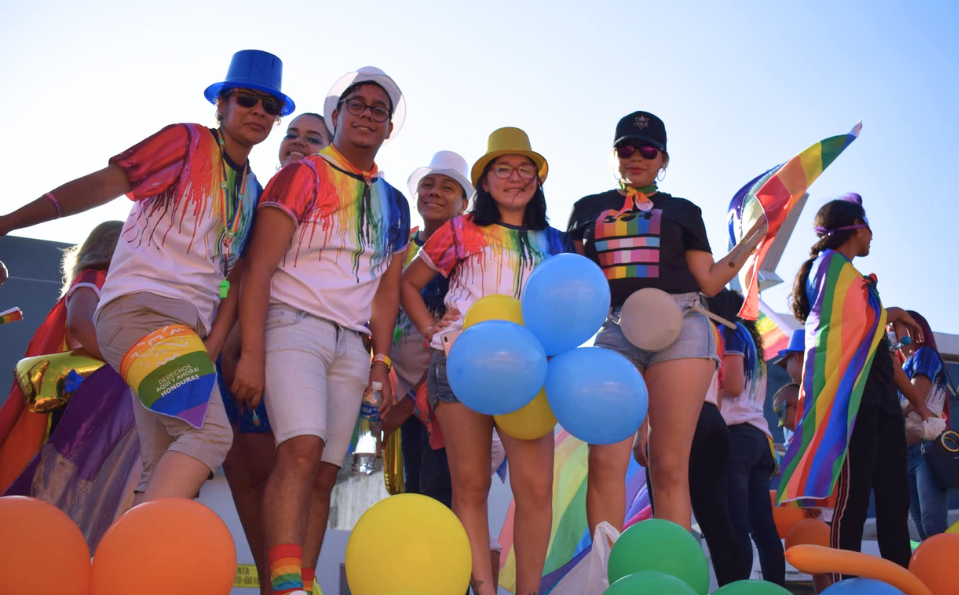
“It’s very complicated to be an LGBT person in our country”: during the presidential election in Honduras, a look at the social situation of the LGBTQIA+ community

Dans le cadre d’une tournée européenne de solidarité internationale pour participer à la pré-session de l’Examen périodique universel du Honduras, les représentantes de l’ONG Somos CDC et de l’association Arcoíris pour la défense des droits humains des populations LGBT+ honduriennes se sont rendues en France. Leur séjour en France en septembre dernier a été l’opportunité de les interviewer sur le contexte hondurien de la communauté LGBTQIA+, les droits citoyens et les incertitudes politiques quelques mois avant l’élection présidentielle de novembre 2025.
Amérique du Nord, Analyse, Droit international, États-Unis, Mouvements sociaux, Répression

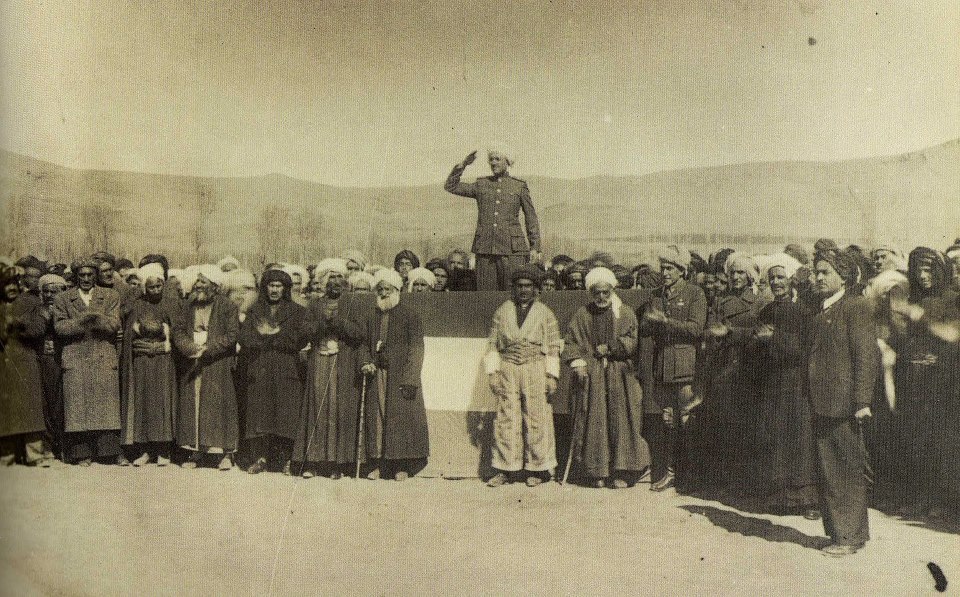
Analysis Note #3 – What role are the Kurds of Iran playing in the ongoing conflict?

While Washington has repeatedly shown itself to be very reluctant to send ground troops to the conflict and the prospect of a popular uprising against the Iranian regime seems to be fading, a third option has reportedly been considered by the U.S. administration, as reported by numerous American media outlets: support for the Kurds of Iran.¹

Amérique du Nord, Analyse, États-Unis, Mouvements sociaux, Répression

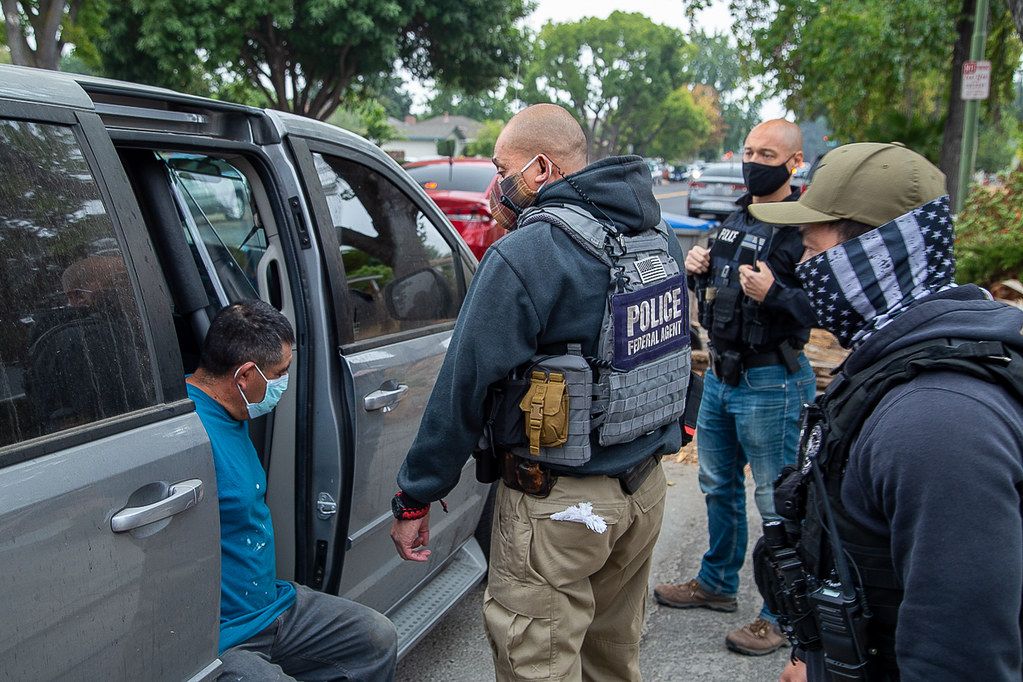
From the Criminalisation of Migration to Urban Resistance: How American Cities Defy Federal Crackdowns

In the United States, 2026 began with violent operations by ICE (United States Immigration and Customs Enforcement), which led to the killing of two people in Minneapolis, Minnesota. As these abuses were filmed and have quickly gone viral, they sparked significant protests. Between a federal administration that embraces its suppressive approach by exploiting immigration issues and a political and civic opposition that strives to resist these authoritarian and violent practices, particularly on a local scale, these events reveal the deep rifts which divide the United States. What does ICE, an agency created as part of the controversial post-September 11, 2001 judicial reforms, symbolizes today? How has the agency evolved since Donald Trump came to power? How is civil resistance organizing in the face of these raids?

Scroll to Top